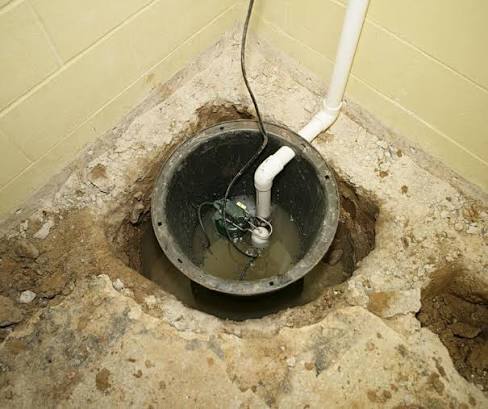
Category: Sump Pumps

Sump pump installation, maintenance, backup systems, and product reviews.

  • Sump Pump Maintenance Checklist: How to Test and Extend Your Pump’s Life

    Sump Pump Maintenance Checklist: How to Test and Extend Your Pump’s Life

    A sump pump that fails during a heavy storm is one of the most expensive home failures a homeowner can experience — thousands in water damage from a pump that costs $200 to replace. Regular maintenance catches 90% of failures before they happen. Here is exactly what to do and when.

    How Often to Test Your Sump Pump

    • Once a month: Quick pour test (30 seconds)
    • Every spring: Full maintenance inspection before rainy season
    • After every major storm: Verify pump cycled and pit is draining
    • Every 3–5 years: Professional inspection or pump replacement

    Monthly Quick Test

    This takes less than a minute. Pour a 5-gallon bucket of water slowly into the sump pit. The pump should activate before the water level reaches the float arm and should drain the pit within 1–2 minutes. If the pump doesn’t turn on, doesn’t turn off, or takes more than 3 minutes to drain a standard pit, it needs attention.

    Annual Spring Maintenance Checklist

    Step 1: Check the Power Source

    • Confirm the pump is plugged into a dedicated GFCI outlet
    • Test the GFCI by pressing the Test and Reset buttons
    • Check that the cord is not pinched, frayed, or sitting in standing water
    • If you have a battery backup, test the backup unit (disconnect main power and pour water)

    Step 2: Inspect the Pit

    • Remove the pit cover and check for debris, dirt, or gravel that has migrated into the pit
    • Clean any debris with a wet/dry vacuum — debris can clog the intake screen
    • Check the pit walls for cracks or erosion

    Step 3: Inspect the Pump

    • Lift the pump out of the pit (unplug first)
    • Clean the intake screen at the bottom of the pump with a garden hose
    • Check that the float is not tangled, stuck, or coated with debris
    • Inspect the impeller (the spinning fan inside) for wear or debris — a screwdriver can free most obstructions
    • Lower the pump back into the pit, ensuring it sits level

    Step 4: Check the Discharge Line

    • Trace the discharge pipe from the pump to where it exits the foundation
    • Verify the pipe pitches consistently downward (no sags that trap water)
    • Confirm the exterior discharge point is at least 10 feet from the foundation
    • Check the check valve — a functioning check valve prevents water from flowing back into the pit when the pump stops
    • Clear any debris or ice blockage at the exterior outlet (critical in winter)

    Step 5: Test the Float and Switch

    • Manually lift the float to verify the pump activates immediately
    • For vertical float switches, check that the switch moves freely up and down without binding on the pump body
    • For tethered float switches, verify the tether is the correct length (too short = pump runs constantly; too long = pit overflows)

    When to Replace Your Sump Pump

    Warning SignLikely CauseAction
    Pump runs but doesn’t drain pitWorn impeller or clogged intakeClean intake; if problem persists, replace
    Pump runs continuouslyFloat stuck on / too low / high water tableAdjust float; check for ground water issue
    Pump never turns onFailed motor, tripped breaker, bad floatTest float manually; check outlet
    Loud grinding or rattling noiseDebris in impeller or failing bearingsClean impeller; replace if noisy after cleaning
    Pump is 7+ years oldNormal wearProactive replacement (don’t wait for failure)

    Battery Backup: The Most Important Upgrade

    Pumps fail most often during the storms that cause flooding — precisely when power outages happen. A battery backup sump pump system ($200–$500) is the single most valuable upgrade for any basement with water issues. A backup pump typically runs on a 12V marine battery and activates automatically when the primary pump fails or power goes out.

    For help choosing a replacement pump or battery backup, see our 2026 sump pump buyer’s guide. If you are building out a full system, our interior drainage guides explain how the drain system feeds into the sump pit.

  • Sump Pump Not Working? Troubleshooting Guide for Every Common Problem

    Sump Pump Not Working? Troubleshooting Guide for Every Common Problem

    Your sump pump is not running and water is rising in the pit. Or the pump is running but not draining. Or it runs continuously and won’t shut off. Each symptom points to a specific cause — and most can be diagnosed in minutes. Use this guide to find the problem fast.

    Quick Diagnosis: What Is Your Pump Doing?

    Problem A: Pump Won’t Turn On

    Check in this order:

    • Is it plugged in? Vibration from running can slowly walk a plug out of an outlet. Check the outlet is receiving power by plugging in a lamp or phone charger.
    • Is the GFCI outlet tripped? Sump pumps should be on GFCI outlets. Find the outlet and press the Reset button — a tripped GFCI has no visible indicator in some models.
    • Is the circuit breaker tripped? Check your panel. Sump pumps can trip a breaker if they draw too much current (failed motor, heavy load).
    • Is the float stuck? The float is the round or cylindrical ball that rises with water to trigger the pump. Reach into the pit and manually lift the float — if the pump turns on, the float is stuck or needs adjustment.
    • Is the pump seized? If you hear a humming sound but the pump doesn’t move water, the impeller may be jammed. Unplug, remove, and manually turn the impeller with a screwdriver. If it’s frozen, the motor bearings may be failed.

    Problem B: Pump Runs But Won’t Drain the Pit

    • Clogged intake screen: The most common cause. Unplug the pump, remove it, and clean the screen at the bottom with a garden hose. Most clogs are fine silt or debris.
    • Failed check valve: The check valve prevents water from flowing back from the discharge line into the pit. If the valve fails open, the pump drains water up the pipe and it flows right back. Listen for a “gurgling” sound — that is water backflowing. Replace the check valve ($15–$40).
    • Discharge line blocked: The exterior end of the discharge pipe can be blocked by debris, ice, or a pest nest. Find the exterior outlet and check for obstruction.
    • Pump is undersized: If the pit fills faster than the pump can drain it during heavy rain, the pump’s GPH rating is too low for your inflow rate. See our buyer’s guide for sizing guidance.

    Problem C: Pump Runs Constantly

    • Float stuck in the “on” position: Unplug the pump and check if the float is tangled around the pump body or caught on the discharge pipe. Reposition it so it can swing freely.
    • Float set too low: If the float activates at too low a water level, the pump may cycle on immediately after draining. Adjust the float height upward (tethered floats: lengthen the tether slightly).
    • High water table: In some properties, the water table is so high that groundwater continuously seeps in, keeping the pump running. This is normal behavior if the pump is keeping up with inflow — but consider a higher-capacity pump or checking that your drain system is not connected to a plumbing source.

    Problem D: Pump Makes Noise but Won’t Run

    • Humming/buzzing: Motor is getting power but impeller is stuck. May be debris or a seized bearing. Try freeing the impeller with a long screwdriver. If it still won’t spin freely, the motor is likely failed.
    • Grinding or rattling: Debris in the impeller. Remove, clean, and reinstall.
    • Clicking: Often a stuck relay or failed start capacitor. Usually means motor replacement or pump replacement.

    Emergency Procedures While You Wait for Repair

    • Rent a portable submersible pump from Home Depot or Lowe’s ($40–$60/day) to manage immediate flooding
    • Move valuables off the basement floor immediately
    • Turn off basement electrical circuits if water is near outlets or panels
    • Call your homeowner’s insurance — flooding from equipment failure may be covered

    When to Replace Instead of Repair

    Replace the pump (rather than repair) when: the pump is more than 7 years old, the motor is failed or seized after cleaning, the cost of repair parts exceeds 50% of a new pump’s price, or the pump has a history of recurring failures. A quality submersible sump pump costs $150–$400 and takes 30–60 minutes to install. See our 2026 recommendations for top-rated models by price range.

  • Best Sump Pumps for Basement Flooding: 2026 Buyer’s Guide

    Best Sump Pumps for Basement Flooding: 2026 Buyer’s Guide

    The right sump pump is your last line of defense against basement flooding. Choosing the wrong one — too weak, too cheap, or without backup — can mean waking up to feet of water during the exact storm that overwhelmed your system.

    Types of Sump Pumps

    Submersible Pumps (Most Common)

    The pump motor is sealed inside a waterproof housing and sits submerged in the sump pit. Submersibles are quieter, more powerful, and handle debris better than pedestal pumps. They’re the right choice for most residential basements.

    Best for: Permanent installation, basements with regular water issues, pits 10 inches or wider.

    Pedestal Pumps

    The motor sits above the pit on a long shaft, with only the intake at the bottom. Pedestal pumps are cheaper and easier to service, but louder and less powerful. They last longer because the motor stays dry.

    Best for: Narrow sump pits (under 10 inches), budget-conscious applications, very light water intrusion.

    Battery Backup Pumps

    A secondary pump powered by a 12V marine battery that activates when the primary pump fails or the power goes out. This is not optional if you live in a flood-prone area or your basement is finished — power outages and heavy rain are not independent events.

    Water-Powered Backup Pumps

    Uses your home’s water pressure to pump out sump water — no battery needed. Requires adequate city water pressure (at least 40 PSI). Very reliable, but slower than battery backup and not suitable for well water systems.

    Sump Pump Sizing: What HP Do You Need?

    3/4 HP or 1 HP
    Water SituationRecommended HPGPH Capacity
    Light moisture, occasional seepage1/4 HP1,200–1,500 GPH
    Moderate water, average basement1/3 HP1,800–2,500 GPH
    Heavy water, high water table1/2 HP2,800–4,000 GPH
    Severe flooding, large basin5,000–7,000 GPH

    Important: GPH ratings are measured at 0-foot head (flat). Every 10 feet of vertical pipe the pump must push water reduces capacity by 25–35%. Account for your discharge pipe height when sizing.

    Top Sump Pump Recommendations (2026)

    Best Overall: Zoeller M53 Mighty-Mate

    The Zoeller M53 is the industry standard for residential submersible sump pumps — trusted by plumbers and waterproofing contractors alike. Cast iron construction, 1/3 HP motor, handles solids up to 1/2 inch. Rated for 2,580 GPH at 5-foot head. At ~$175–$220, it costs more than big-box alternatives but outlasts them by years.

    Best Budget: Wayne CDU980E

    Wayne’s CDU980E offers solid performance at around $100–$130. Stainless steel construction, 3/4 HP, handles solids up to 1/2 inch. At 4,600 GPH (10-foot head), it outperforms many 1/2 HP competitors. Good choice for light-to-moderate water situations with budget constraints.

    Best Battery Backup: Basement Watchdog BWD12-120

    The BWD12-120 uses a sealed AGM battery that requires no maintenance and installs in an afternoon. Pumps up to 1,800 GPH on backup power. The combined primary + backup unit (BWE) provides comprehensive protection for around $350–$400 total.

    Installation Notes

    • Discharge pipe should be 1.5 inches minimum (match pump outlet size)
    • Install a check valve on the discharge pipe to prevent water from flowing back when the pump stops
    • Discharge at least 10–20 feet from the foundation, sloping away from the house
    • Never discharge into a sanitary sewer or septic system (illegal in most jurisdictions)
    • Plug directly into a GFCI-protected outlet — never use an extension cord

    See our complete sump pump installation guide for step-by-step instructions and maintenance tips.