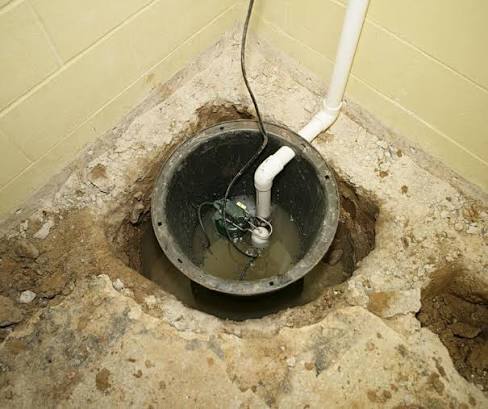
The right sump pump is your last line of defense against basement flooding. Choosing the wrong one — too weak, too cheap, or without backup — can mean waking up to feet of water during the exact storm that overwhelmed your system.
Types of Sump Pumps
Submersible Pumps (Most Common)
The pump motor is sealed inside a waterproof housing and sits submerged in the sump pit. Submersibles are quieter, more powerful, and handle debris better than pedestal pumps. They’re the right choice for most residential basements.
Best for: Permanent installation, basements with regular water issues, pits 10 inches or wider.
Pedestal Pumps
The motor sits above the pit on a long shaft, with only the intake at the bottom. Pedestal pumps are cheaper and easier to service, but louder and less powerful. They last longer because the motor stays dry.
Best for: Narrow sump pits (under 10 inches), budget-conscious applications, very light water intrusion.
Battery Backup Pumps
A secondary pump powered by a 12V marine battery that activates when the primary pump fails or the power goes out. This is not optional if you live in a flood-prone area or your basement is finished — power outages and heavy rain are not independent events.
Water-Powered Backup Pumps
Uses your home’s water pressure to pump out sump water — no battery needed. Requires adequate city water pressure (at least 40 PSI). Very reliable, but slower than battery backup and not suitable for well water systems.
Sump Pump Sizing: What HP Do You Need?
| Water Situation | Recommended HP | GPH Capacity |
|---|---|---|
| Light moisture, occasional seepage | 1/4 HP | 1,200–1,500 GPH |
| Moderate water, average basement | 1/3 HP | 1,800–2,500 GPH |
| Heavy water, high water table | 1/2 HP | 2,800–4,000 GPH |
| Severe flooding, large basin | 5,000–7,000 GPH |
Important: GPH ratings are measured at 0-foot head (flat). Every 10 feet of vertical pipe the pump must push water reduces capacity by 25–35%. Account for your discharge pipe height when sizing.
Top Sump Pump Recommendations (2026)
Best Overall: Zoeller M53 Mighty-Mate
The Zoeller M53 is the industry standard for residential submersible sump pumps — trusted by plumbers and waterproofing contractors alike. Cast iron construction, 1/3 HP motor, handles solids up to 1/2 inch. Rated for 2,580 GPH at 5-foot head. At ~$175–$220, it costs more than big-box alternatives but outlasts them by years.
Best Budget: Wayne CDU980E
Wayne’s CDU980E offers solid performance at around $100–$130. Stainless steel construction, 3/4 HP, handles solids up to 1/2 inch. At 4,600 GPH (10-foot head), it outperforms many 1/2 HP competitors. Good choice for light-to-moderate water situations with budget constraints.
Best Battery Backup: Basement Watchdog BWD12-120
The BWD12-120 uses a sealed AGM battery that requires no maintenance and installs in an afternoon. Pumps up to 1,800 GPH on backup power. The combined primary + backup unit (BWE) provides comprehensive protection for around $350–$400 total.
Installation Notes
- Discharge pipe should be 1.5 inches minimum (match pump outlet size)
- Install a check valve on the discharge pipe to prevent water from flowing back when the pump stops
- Discharge at least 10–20 feet from the foundation, sloping away from the house
- Never discharge into a sanitary sewer or septic system (illegal in most jurisdictions)
- Plug directly into a GFCI-protected outlet — never use an extension cord
See our complete sump pump installation guide for step-by-step instructions and maintenance tips.
Leave a Reply