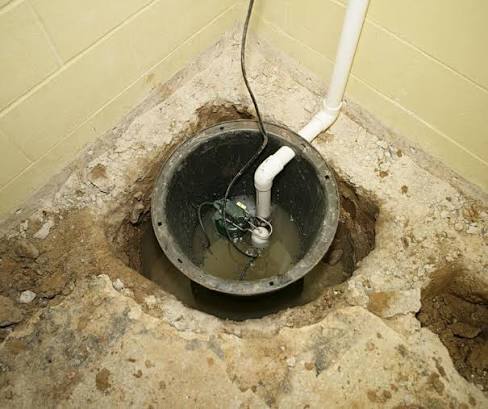
Your sump pump is not running and water is rising in the pit. Or the pump is running but not draining. Or it runs continuously and won’t shut off. Each symptom points to a specific cause — and most can be diagnosed in minutes. Use this guide to find the problem fast.
Quick Diagnosis: What Is Your Pump Doing?
Problem A: Pump Won’t Turn On
Check in this order:
- Is it plugged in? Vibration from running can slowly walk a plug out of an outlet. Check the outlet is receiving power by plugging in a lamp or phone charger.
- Is the GFCI outlet tripped? Sump pumps should be on GFCI outlets. Find the outlet and press the Reset button — a tripped GFCI has no visible indicator in some models.
- Is the circuit breaker tripped? Check your panel. Sump pumps can trip a breaker if they draw too much current (failed motor, heavy load).
- Is the float stuck? The float is the round or cylindrical ball that rises with water to trigger the pump. Reach into the pit and manually lift the float — if the pump turns on, the float is stuck or needs adjustment.
- Is the pump seized? If you hear a humming sound but the pump doesn’t move water, the impeller may be jammed. Unplug, remove, and manually turn the impeller with a screwdriver. If it’s frozen, the motor bearings may be failed.
Problem B: Pump Runs But Won’t Drain the Pit
- Clogged intake screen: The most common cause. Unplug the pump, remove it, and clean the screen at the bottom with a garden hose. Most clogs are fine silt or debris.
- Failed check valve: The check valve prevents water from flowing back from the discharge line into the pit. If the valve fails open, the pump drains water up the pipe and it flows right back. Listen for a “gurgling” sound — that is water backflowing. Replace the check valve ($15–$40).
- Discharge line blocked: The exterior end of the discharge pipe can be blocked by debris, ice, or a pest nest. Find the exterior outlet and check for obstruction.
- Pump is undersized: If the pit fills faster than the pump can drain it during heavy rain, the pump’s GPH rating is too low for your inflow rate. See our buyer’s guide for sizing guidance.
Problem C: Pump Runs Constantly
- Float stuck in the “on” position: Unplug the pump and check if the float is tangled around the pump body or caught on the discharge pipe. Reposition it so it can swing freely.
- Float set too low: If the float activates at too low a water level, the pump may cycle on immediately after draining. Adjust the float height upward (tethered floats: lengthen the tether slightly).
- High water table: In some properties, the water table is so high that groundwater continuously seeps in, keeping the pump running. This is normal behavior if the pump is keeping up with inflow — but consider a higher-capacity pump or checking that your drain system is not connected to a plumbing source.
Problem D: Pump Makes Noise but Won’t Run
- Humming/buzzing: Motor is getting power but impeller is stuck. May be debris or a seized bearing. Try freeing the impeller with a long screwdriver. If it still won’t spin freely, the motor is likely failed.
- Grinding or rattling: Debris in the impeller. Remove, clean, and reinstall.
- Clicking: Often a stuck relay or failed start capacitor. Usually means motor replacement or pump replacement.
Emergency Procedures While You Wait for Repair
- Rent a portable submersible pump from Home Depot or Lowe’s ($40–$60/day) to manage immediate flooding
- Move valuables off the basement floor immediately
- Turn off basement electrical circuits if water is near outlets or panels
- Call your homeowner’s insurance — flooding from equipment failure may be covered
When to Replace Instead of Repair
Replace the pump (rather than repair) when: the pump is more than 7 years old, the motor is failed or seized after cleaning, the cost of repair parts exceeds 50% of a new pump’s price, or the pump has a history of recurring failures. A quality submersible sump pump costs $150–$400 and takes 30–60 minutes to install. See our 2026 recommendations for top-rated models by price range.
Leave a Reply